


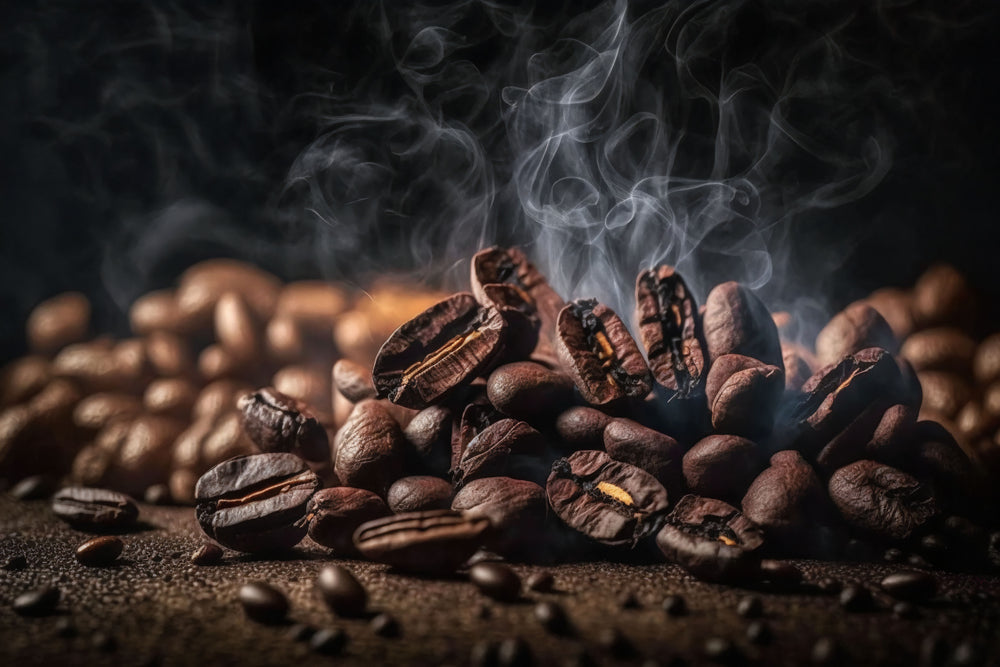
How Vietnamese Coffee Became a Global Milk Tea Favorite

The silken collision of robust Vietnamese coffee with creamy milk has captivated palates worldwide, evolving from Saigon sidewalk staples into a coveted milk tea phenomenon. This metamorphosis transcends mere beverage trends—it represents a cultural cross-pollination where traditional cà phê sữa đá meets contemporary boba culture, creating an entirely new gustatory experience that honors ancestral roasting techniques while embracing modern taste preferences.
Understanding this transformation requires examining the unique characteristics that distinguish Vietnamese coffee from its global counterparts. The terroir of Vietnam's Central Highlands, coupled with time-honored preparation methods, produces a concentrate so intense and aromatic that it naturally complements the sweetened milk base essential to milk tea formulations.
The Distinguished Character of Vietnamese Coffee
Vietnamese coffee stands apart through its predominant use of Robusta beans, which contain nearly double the caffeine content of Arabica varieties. This botanical choice wasn't arbitrary—French colonists introduced coffee cultivation to Vietnam in the 19th century, and the humid, lower-altitude regions proved ideal for Robusta thriving. The resulting brew possesses a bold, earthy depth with chocolate undertones and minimal acidity, creating a foundation robust enough to withstand dilution and complementary flavors.
Traditional Vietnamese roasting techniques employ a darker profile, sometimes incorporating butter or fish sauce during the process—a practice that sounds unconventional but yields extraordinary complexity. This char-forward approach caramelizes the bean's natural sugars, intensifying the umami notes that give Vietnamese coffee its distinctive viscosity and mouth-coating texture. When this concentrated elixir meets condensed milk, the interaction produces that signature velvety sweetness milk tea enthusiasts crave.
The Phin Filter Legacy
The iconic Vietnamese phin filter deserves recognition as more than brewing apparatus—it's a philosophical statement about patience and extraction. This small metal dripper sits atop your cup, allowing hot water to percolate slowly through compressed grounds, producing an espresso-strength brew without requiring expensive machinery. The extended contact time extracts maximum flavor compounds and oils, creating the syrupy consistency that refuses to be overshadowed even when combined with ice, milk, and tapioca pearls.
Crafting the Perfect Vietnamese Coffee Milk Tea
For those seeking to recreate this global sensation at home, precision in both coffee preparation and milk tea assembly ensures authentic results. The Vietnamese coffee milk tea recipe demands attention to ratios, timing, and temperature—elements that separate mediocre attempts from café-quality beverages.
Essential Components and Sourcing
Quality begins with bean selection. Seek out coffee specifically sourced from Vietnam's renowned growing regions—Đắk Lắk, Lâm Đồng, and Gia Lai provinces produce beans with the characteristic flavor profile this application requires. Golden Triangle Coffee sources green coffee beans from Southeast Asia, supporting tribal and cooperative communities, then roasts them locally in Montreal, ensuring freshness while maintaining the cultural authenticity that coffee enthusiasts demand.
Their dedicated Milk Tea blend specifically addresses the unique requirements of milk tea preparation. This offering combines Vietnamese Robusta with complementary Southeast Asian beans, roasted to optimize extraction strength and flavor resilience when combined with dairy and sweeteners. The blend eliminates guesswork for those new to Vietnamese coffee preparation while delivering the authentic taste profile essential for genuine milk tea applications.
Beyond the coffee itself, sourcing matters for every ingredient. Sweetened condensed milk—preferably Longevity or similar Vietnamese brands—provides the authentic sweetness profile, while high-quality tapioca pearls (boba) contribute the textural contrast that defines modern milk tea experiences.
Preparation Methodology
Begin by preparing your Vietnamese coffee concentrate using a phin filter. Measure approximately 2-3 tablespoons of medium-coarse ground coffee into the filter chamber. Pour a small amount of near-boiling water (195-205°F) to bloom the grounds for 30 seconds, then fill the chamber completely. Position the filter press gently atop the grounds—too tight restricts flow, too loose produces weak extraction.
The dripping process should take 4-5 minutes, yielding approximately 3-4 ounces of intensely concentrated coffee. This patience-testing duration allows for complete flavor extraction and that characteristic syrupy body.
While your coffee brews, prepare your tapioca pearls according to package instructions—typically a 15-20 minute boil followed by steeping. Properly cooked boba should offer resistance when bitten but remain chewy rather than crunchy or mushy.
Assembly and Customization
The layering sequence impacts both visual appeal and flavor distribution. Start with cooked tapioca pearls in your serving glass, add ice to three-quarters full, then pour 2-3 tablespoons of sweetened condensed milk. Slowly add your Vietnamese coffee concentrate, creating the signature gradient effect. Top with whole milk, evaporated milk, or non-dairy alternatives according to preference—each creates distinct mouthfeel and flavor balance.
For enhanced complexity, consider these variations:
- Coconut milk tea: Replace dairy with coconut milk for tropical sweetness and vegan compatibility
- Brown sugar variation: Add brown sugar syrup to the glass sides before assembly, creating caramelized streaks
- Egg coffee milk tea: Incorporate whisked egg yolk and condensed milk foam as a topping for decadent richness
- Pandan infusion: Steep pandan leaves in your milk component for aromatic Southeast Asian authenticity
The Cultural Convergence Behind the Trend
Vietnamese coffee's integration into milk tea culture represents more than culinary fusion—it exemplifies how diaspora communities reshape global food landscapes. Vietnamese immigration following the war dispersed coffee traditions worldwide, while simultaneously, Taiwanese bubble tea culture expanded through similar migration patterns. These parallel movements eventually intersected in multicultural urban centers, where innovative beverage entrepreneurs recognized the natural synergy.
The transformation of traditional cà phê sữa đá into milk tea format demonstrates how heritage preservation and contemporary innovation need not conflict—instead, they can amplify each other's appeal to create something entirely new yet deeply rooted.
Social media accelerated this beverage's ascent, with Instagram-worthy layers and photogenic boba providing visual appeal that transcended language barriers. The hashtag economy favored drinks with distinct appearance, and Vietnamese coffee milk tea's gradient presentation proved irresistibly shareable.
Sustainability and Ethical Considerations
As Vietnamese coffee milk tea gains popularity, conscious consumers increasingly scrutinize supply chains. Vietnam ranks as the world's second-largest coffee producer, yet many farmers receive minimal compensation while middlemen capture value. Supporting roasters who establish direct relationships with farming communities ensures that increased demand translates to improved livelihoods rather than exploitation.
Golden Triangle Coffee's model—sourcing directly from tribal and cooperative communities before roasting locally—addresses these ethical concerns while guaranteeing freshness impossible through conventional import channels. This approach resonates with sustainability-minded consumers aged 25-45 who seek meaningful purchases supporting cultural authenticity and farming communities.
Environmental Impact of Production
Coffee cultivation presents environmental challenges, particularly regarding deforestation and monoculture farming. However, many Vietnamese coffee cooperatives practice shade-grown cultivation beneath native canopy trees, preserving biodiversity while producing beans with superior flavor complexity. When selecting coffee for milk tea preparation, inquire about farming practices—environmentally responsible sourcing enhances both ethical satisfaction and cup quality.
Comparing Vietnamese Coffee Milk Tea to Other Variations
Understanding Vietnamese coffee milk tea's unique position requires contextualizing it within the broader milk tea landscape. Each regional variation offers distinct characteristics that appeal to different preferences.
| Milk Tea Style | Coffee Base | Sweetener | Distinctive Characteristic |
|---|---|---|---|
| Vietnamese | Robusta, dark roast | Sweetened condensed milk | Intense coffee flavor, syrupy texture |
| Thai | Robusta with additives | Sugar, condensed milk | Bright orange color, vanilla notes |
| Hong Kong Yuenyeung | Any strong brew | Evaporated milk, sugar | Coffee-tea blend, lighter body |
| Korean Dalgona Coffee | Instant coffee | Sugar | Whipped foam topping, visual drama |
Optimizing Your Home Setup
Transitioning from occasional café purchases to home preparation requires minimal investment but yields substantial savings and customization opportunities. The essential toolkit includes a phin filter (available for under $15), quality Vietnamese coffee, sweetened condensed milk, and either homemade or store-bought tapioca pearls.
Common Pitfalls and Solutions
Many first-time preparers encounter extraction issues that compromise final results. If your coffee drips too quickly (under 3 minutes), your grind is too coarse or your filter press isn't sufficiently tightened. Conversely, if extraction exceeds 6 minutes, adjust to a coarser grind or loosen the press slightly.
Temperature management proves crucial—water that's too hot creates bitter notes, while insufficient heat produces sour, under-extracted coffee. A simple electric kettle with temperature control eliminates guesswork, though letting boiled water rest for 30 seconds before pouring also works effectively.
Tapioca pearls present their own challenges. Undercooking leaves them chalky and hard, while overcooking creates mushy disintegration. Follow package timing precisely, then immediately transfer cooked pearls to room-temperature simple syrup or honey water to prevent hardening.
Frequently Asked Questions
Can I use Arabica beans instead of Robusta for Vietnamese coffee milk tea?
While Arabica beans can produce enjoyable results, they lack the bold intensity and high caffeine content that defines authentic Vietnamese coffee milk tea. Arabica's brighter acidity and lighter body become diluted when combined with condensed milk and ice, resulting in a beverage that tastes more like generic iced coffee than true Vietnamese preparation. If you prefer Arabica's flavor profile, consider a 70/30 Robusta-Arabica blend that maintains necessary strength while introducing complexity.
How long does brewed Vietnamese coffee concentrate keep?
Properly stored Vietnamese coffee concentrate maintains quality for 3-4 days refrigerated in an airtight container. This allows batch preparation for convenience—brew a larger quantity using multiple phin filters simultaneously, then store for quick assembly throughout the week. However, flavor degradation begins immediately after brewing, so freshly prepared concentrate always delivers superior taste.
What makes Golden Triangle Coffee's Milk Tea blend different from standard Vietnamese coffee?
This specialized blend optimizes the coffee-to-milk interaction specific to milk tea applications. Standard Vietnamese coffee, while excellent for traditional preparation, may become overpowered when combined with sweetened condensed milk and diluted with ice. The Milk Tea blend maintains flavor integrity throughout the assembly process, ensuring the coffee character remains prominent rather than becoming merely a background note to the dairy sweetness.
Can I make Vietnamese coffee milk tea without a phin filter?
Alternative methods exist but compromise authenticity. A French press can approximate the strength by using a 1:4 coffee-to-water ratio and extending steeping to 5-6 minutes. Espresso machines work if you pull a lungo shot (double length) to mimic phin extraction volume. However, the phin's slow percolation creates unique extraction dynamics difficult to replicate with other equipment—for minimal investment, acquiring the traditional tool proves worthwhile.
The Future of Vietnamese Coffee in Global Beverage Culture
As specialty coffee's third wave emphasizes origin transparency and processing innovation, Vietnamese coffee stands poised for reevaluation. Historically dismissed by coffee snobs favoring Arabica's complexity, Robusta's qualities—when cultivated and roasted with intention—offer distinct merits that milk-based preparations showcase brilliantly.
Emerging Vietnamese coffee farms experiment with honey processing, natural fermentation, and heirloom varietals that challenge Robusta's reputation for one-dimensional flavor. These innovations, combined with milk tea's continued popularity, suggest Vietnamese coffee's global presence will expand rather than plateau.
For coffee enthusiasts seeking high-quality, ethically sourced beans with unique Southeast Asian flavor profiles, this represents an opportune moment to explore beyond conventional origins. The same curiosity driving specialty coffee exploration naturally extends to Vietnamese traditions that have satisfied millions for generations.
The journey from Saigon street corners to global milk tea menus illustrates how culinary traditions evolve through cultural exchange while retaining essential character. Vietnamese coffee milk tea honors its heritage through preparation techniques and ingredient selection while embracing contemporary presentation and flavor combinations. This balance—respecting tradition while welcoming innovation—creates beverages that satisfy both nostalgia and novelty, connecting drinkers to farming communities thousands of miles away with every sip.
